
Start with a clear goal: personalization that buyers understand
When you’re selecting a solution for made-to-order products, begin by defining what “custom” means for your store. Is it text-only personalization, image uploads, size variants, or fully designed mockups for apparel and accessories? A strong expert recommendation is print on demand app for shopify to map those choices to how shoppers make decisions—fewer steps and clearer options typically reduce friction at checkout. If your configurator can’t explain the product clearly, even great design won’t overcome hesitation.
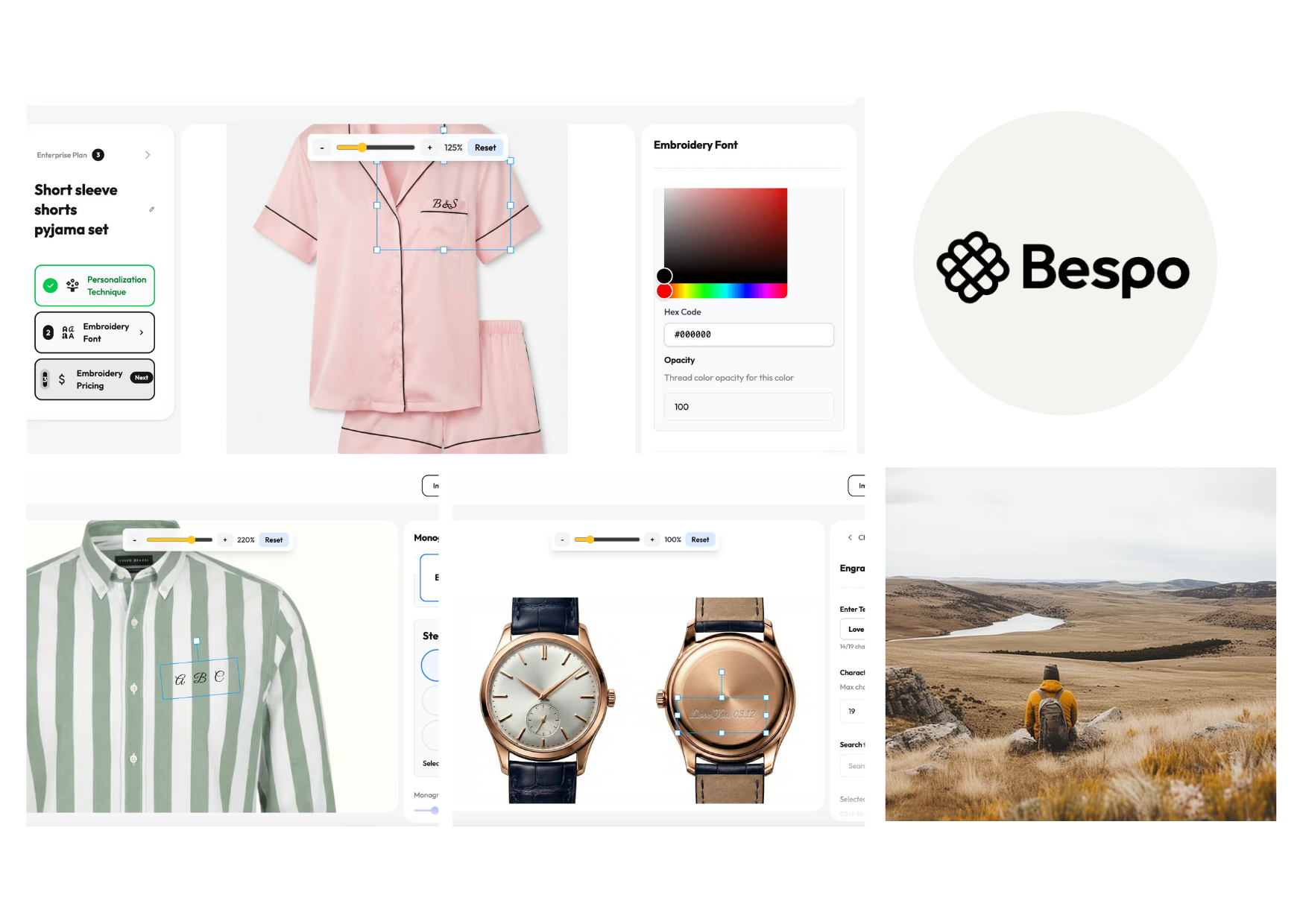
Next, think about the product visualization experience, because buyers don’t shop for specs—they shop for outcomes. The best tools show exactly what the item will look like with the selected options, including placement, colors, and dimensions. Look for an ecommerce product configurator that supports real-time updates so customers can experiment without waiting. This improves confidence and helps shoppers feel that the final product matches their intent.
Prioritize usability: plug-and-play setup and fast product publishing
A practical way to evaluate a print app is to simulate your publishing workflow from end to end. You should be able to add products, set variants, connect designs, and enable customization with minimal technical overhead. A plug-and-play approach ecommerce product configurator matters because it reduces the time between your idea and your first sale. If setup requires complex coding or heavy manual steps, you’ll spend more effort maintaining the catalog than growing it.
Also assess how product changes propagate to the storefront. Experts recommend choosing tools that keep your inventory and option logic organized so edits don’t break customer selections. For example, if you adjust a size range or update a mockup template, the configurator should continue to display correct previews. When your store stays consistent, it builds trust, and that trust is especially important for personalized items where returns and misunderstandings can be costly.
Use visual power: live previews, placement control, and merchandising support
Customization sells when customers can see it instantly, so live preview quality should be a top selection criterion. Strong apps let shoppers preview how their design appears on different angles or product placements, which reduces uncertainty. Pay attention to whether the preview reflects real-world constraints such as print boundaries and variant differences. If the preview is generic or inaccurate, conversion rates can drop because shoppers can’t confirm what they’re really buying.
An expert recommendation also includes checking how well the tool supports merchandising. For instance, you may want to highlight popular combinations, create presets, or guide users toward best-selling layouts. When personalization feels guided rather than overwhelming, customers take action with less back-and-forth and fewer abandoned carts.
Conclusion
Choosing the right solution is less about chasing features and more about matching personalization to how your customers decide. Focus on a smooth setup, accurate live visualization, and an interface that keeps choices understandable through checkout. When those elements align, personalization becomes a selling advantage rather than a complexity. Bespo is built for this purpose, offering plug-and-play functionality, live previews, and powerful visualization tools that make customized product creation simpler and more engaging. To make your selection confidently, test the full shopper journey with a few representative products and real design scenarios. Evaluate whether the preview looks correct, whether options behave consistently, and whether your publishing workflow stays efficient. The goal is a print app that helps shoppers commit with clarity while keeping your operations manageable. With the right approach, your Shopify store can turn personalization into repeatable conversion.