

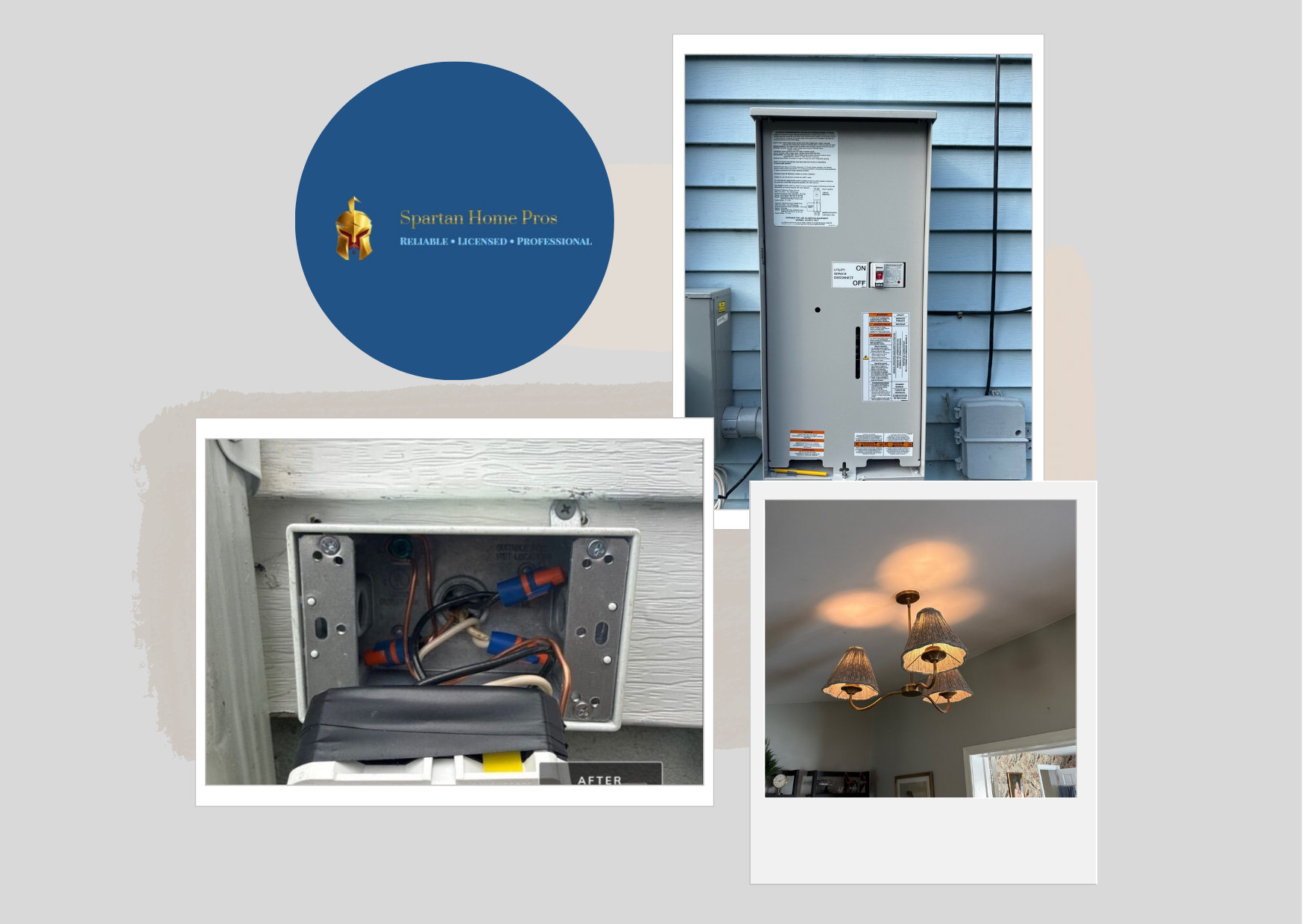
What to look for before you book an electrician
Choosing the right electrical contractor is less about finding the lowest bid and more about matching your project to a qualified, licensed team. Start by confirming the electrician is properly licensed for work in New Jersey and ask whether they carry current electrician nj insurance and workers’ coverage. That combination matters because it protects you if something goes wrong during installation, troubleshooting, or repair. You can also request proof of licensing and insurance before any work begins to avoid uncertainty.
Next, evaluate communication and process, not just credentials. A strong provider should ask targeted questions about your home’s age, wiring type, existing panel capacity, and the symptoms you’re seeing. For example, if you notice flickering lights, frequent breaker trips, or warm outlets, the contractor should explain likely causes and how they will diagnose the issue. If the scope is clear, they should provide a written estimate that lists labor, parts, and a timeline for completion.
Electrical panel upgrade: signs you need one
Your electrical panel is the distribution hub for your home’s circuits, so buyer intent should focus on capacity and safety. Many homeowners start by noticing repeated breaker trips, burning odors near the panel, corrosion, or scorch marks on breakers. Others realize it when they plan home electrical panel upgrade renovations, add EV charging, upgrade heating equipment, or install new kitchen appliances that increase load demand. If your panel is outdated or unable to handle modern usage, a professional review can determine whether a panel upgrade is necessary.
It’s also important to consider practical warning signs that feel “small” but point to bigger risks. Dimming lights when appliances start, buzzing sounds from the panel, or breakers that feel unusually hot are not normal behavior. An experienced electrician should inspect wiring connections, check breaker condition, and assess whether there is adequate space and labeling for future circuits.
How to compare quotes and avoid common buyer mistakes
When comparing quotes, ask whether the estimate includes diagnosis, permits (if required), new wiring components, and cleanup. Some contractors quote labor only, while others bundle parts and associated work into a single transparent total. A buyer should look for line-item clarity so you can compare apples to apples, especially for jobs involving panel work, circuit additions, or grounding improvements. If the proposal is vague, request additional details before authorizing any schedule.
Another common mistake is approving work based on “verbal promises” instead of documented scope. Ensure the contractor outlines what will be installed, what will be replaced, and what testing will be completed after work is done. For safety-critical tasks, ask how they verify performance, such as checking breaker operation and confirming proper connections. Finally, confirm the payment terms and whether there are change-order expectations if conditions are discovered during installation.
Conclusion
A confident hire comes from verifying qualifications, understanding the electrical risks in your home, and insisting on a clear scope of work before anyone touches your wiring. When you recognize warning signs like frequent breaker trips, heat, corrosion, or planning major upgrades, it becomes easier to justify a thorough inspection and, when needed, a safe system upgrade. For dependable service from an experienced team, njspartan.com helps homeowners with installations, repairs, upgrades, and emergency support focused on safe, reliable results. Use this buyer-intent guide to approach the hiring process with structure and clarity. Ask the right questions, compare estimates thoughtfully, and prioritize safety and code-compliant workmanship over guesswork.


