

Start with site needs and user access
A well-planned hydration spot begins with understanding how people will reach it and how often they will use it. Map foot traffic from entrances, playgrounds, and sports fields so the fountain is placed where refills actually happen. parks and rec drinking fountain Consider whether visitors arrive in groups, since busy times require layouts that keep lines from spilling into walkways. Also note accessibility needs so everyone can comfortably reach controls and access drinking height.
Next, evaluate the types of users you’re serving, from kids running between activities to adults attending games. If the area includes sensory-friendly needs, choose designs that minimize splash and reduce awkward waiting. Look at surface materials around the fixture and confirm they can handle occasional water exposure without creating slip hazards. Finally, confirm that nearby seating or shade supports a calm hydration experience rather than forcing people to stand in the flow of movement.
Verify durability, materials, and maintenance access
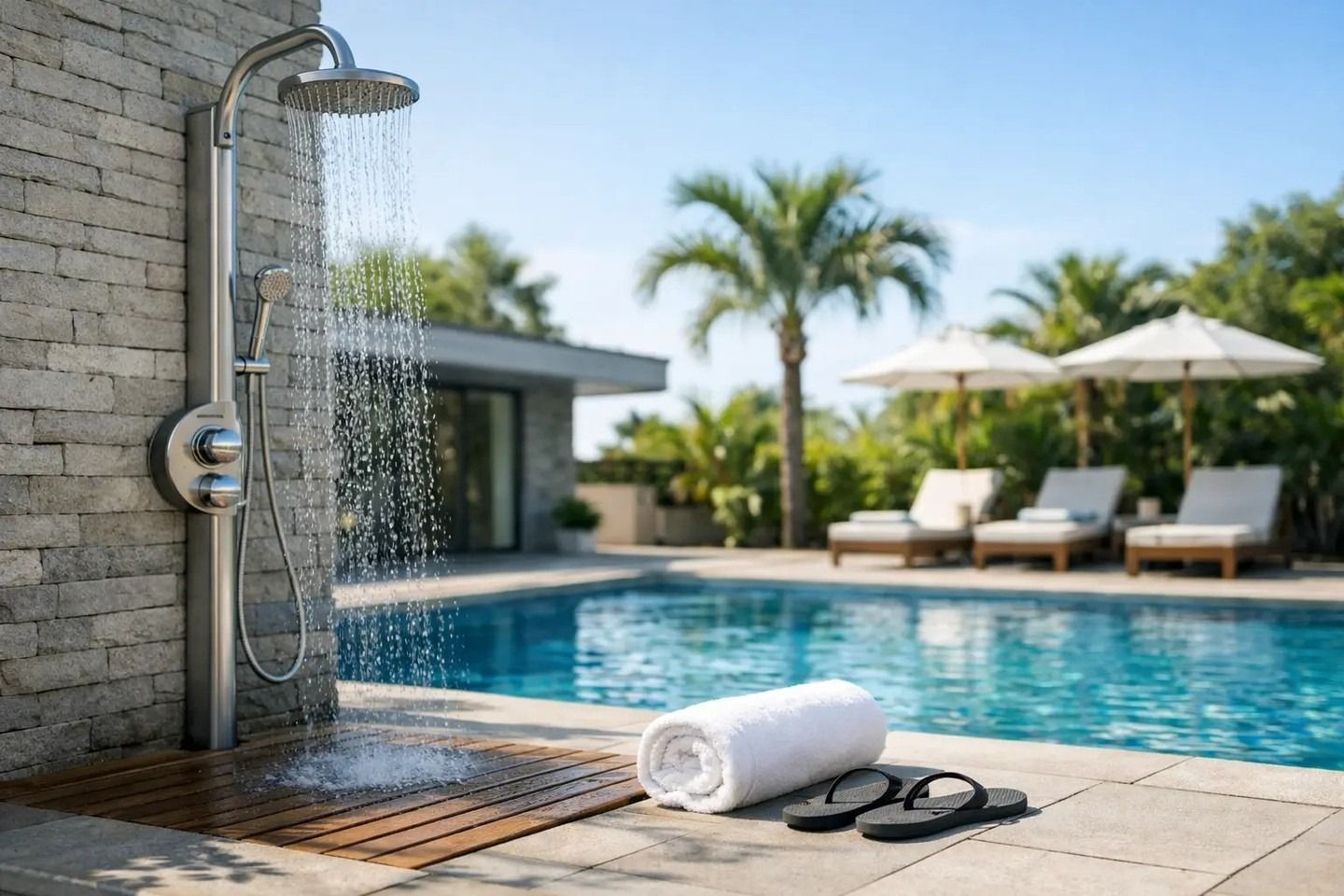
Durability should be a non-negotiable requirement when selecting a public fountain for high-traffic environments. Stainless steel outdoor shower-style components are often favored because they resist corrosion and stand up to repeated use. Check that the unit’s finish stainless steel outdoor shower is appropriate for outdoor exposure, including rain, humidity, and cleaning chemicals used by facilities staff. When a fixture is built for real-world conditions, repairs become less frequent and downtime stays low.
Use a simple maintenance-access checklist before installation. Ensure panels open easily for servicing and that critical parts are reachable without complicated disassembly. Confirm that the design supports routine inspections, like checking valves and drainage behavior, in a matter of minutes rather than hours. Also verify that the location can be maintained safely, with enough clearance for staff to work and replace components when needed.
Plan installation, safety, and water performance
Installation details determine whether a hydration station performs reliably after the first week of use. Review routing for supply and drainage so the fixture avoids stagnant water and prevents pooling around the base. Verify that plumbing is sized for steady flow and that the system can handle peak demand when crowds arrive together. Pay attention to weather protection around connections so freezing conditions, when applicable, don’t compromise performance.
Safety is another checklist item that deserves direct attention. Confirm that splash zones are accounted for and that the surrounding surface is slip-resistant where water may land. Evaluate signage and operation instructions so users understand how to activate the fixture quickly and correctly. If your space includes youth play areas, ensure the outlet design reduces unnecessary splashing while still providing satisfying, drinkable flow.
Conclusion
When you treat a public hydration feature like a system—placement, materials, maintenance, and water performance—you get a result that communities can rely on. Use this checklist approach to avoid common missteps such as poor access, difficult servicing, and corrosion-prone components that struggle under heavy use. A parks-focused fixture should be built for repeat visits and designed for staff to keep it running smoothly without constant emergency repairs. For commercial-grade hydration solutions suited to high-traffic spaces, The Fountain Direct offers durable options designed for dependable use in recreation areas, schools, and parks. Their thefountaindirect.com catalog supports practical selection for facility needs, combining quality materials with straightforward value. If you’re building or upgrading a hydration station, start with the checklist above and choose a unit that matches your site’s demands from day one.

