
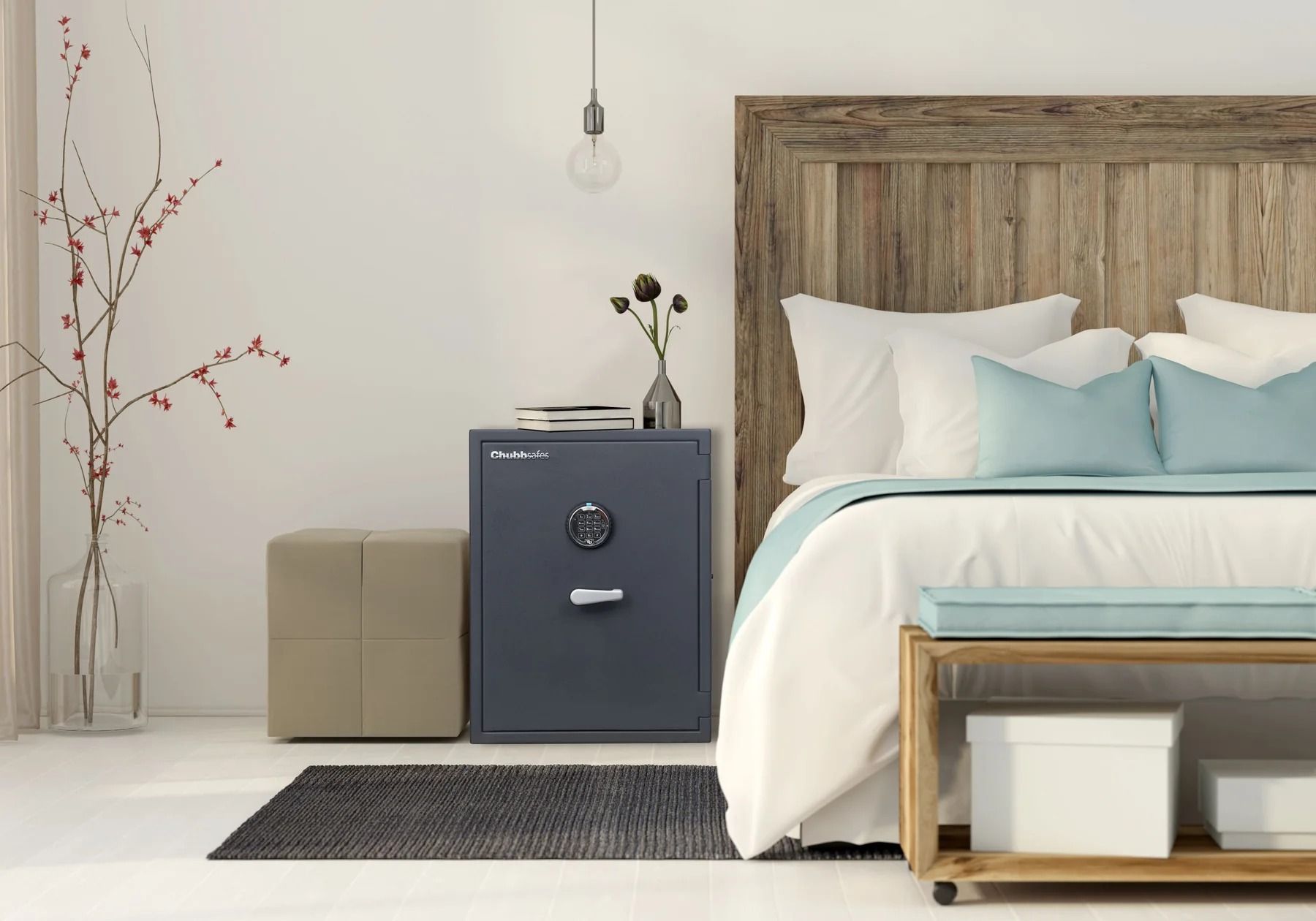
Why Local Matters When Choosing Security Safes
Homes and workplaces face different risks depending on building type, access points, and how valuables are handled day to day. For example, a small retail shop security safes may need heavier-duty protection for cash drawers and document storage, while a residence might prioritise secure storage for firearms, jewellery, and family records. Choosing with local conditions in mind helps you avoid under-specification and makes day-to-day use simpler.
Local suppliers also tend to be familiar with the practical requirements people run into after installation. That includes choosing a safe that fits available space, planning for safe bolting into masonry, and understanding how weight affects floor load. If you live in a busy area or a premises with multiple entry points, you’ll likely want a safe that supports quick access without compromising security. A local-focused approach helps you match the safe’s size, door style, and locking system to the real environment where it will sit.
Match the Safe Type to Your Valuables and Use Case
Not every storage problem is solved by the same kind of safe, so it’s important to think through what you’re protecting. Documents and electronics often need protection from both tampering and environmental factors, while high-value items typically require stronger resistance to forced rifle safe entry. A well-chosen safe can protect passports, property records, backup drives, and contracts that you cannot afford to lose. Planning for everyday usability—like how often you’ll access items—can also improve whether the safe gets used consistently.
Rifles and related gear are usually stored with consideration for safe handling, organisation, and reliable locking. Many people want a secure solution that keeps items stable and protected while still allowing sensible internal arrangement. By focusing on the safe’s internal layout, door strength, and locking design, you can choose a unit that supports both security and practical access for authorised users.
Installation, Access Control, and Compliance Considerations
A secure safe is only as effective as its installation, so consider where you’ll place it before you buy. Many safes are designed to be anchored to the floor or wall, which reduces the risk of removal attempts. A licensed installer can help you plan for correct placement around power points, structural features, and door clearance. Good placement also improves protection of the locking mechanism by limiting reach and reducing visible access routes.
Access control matters as much as physical strength, especially in shared households or businesses. Decide who needs access, how many keys or codes will be managed, and what procedures will be followed if staff change or keys are misplaced. For commercial use, it’s often helpful to standardise access methods so employees can open the safe only when authorised. When you plan these processes upfront, you reduce the likelihood of risky workarounds that weaken security over time.
Conclusion
Consider safe location, anchoring, and access procedures so the security you buy performs in real life. Take time to compare capacities, door construction, and locking methods, then verify that the safe will fit your intended space and usage routine. When those details align, your safe becomes a long-term security asset rather than a purchase you regret. A thoughtful selection process helps reduce risk and supports consistent, compliant handling of stored items. With the right approach, your valuables stay protected while your home or workplace runs smoothly.