
Identify the Moisture Problems Behind Failing Walls
Bathrooms and wash areas tend to punish common building choices: steam, splashes, and frequent wetting create a steady cycle of moisture exposure. When wall surfaces are not designed for that environment, swelling, waterproof wall panels bubbling paint, and warped substrates often appear first. Over time, the damage can spread beyond the visible area, especially around seams, corners, and fixtures where water collects.
Another frequent issue is poor water resistance at the surface system level, even if the room looks “fine” at a glance. Hairline gaps around trim, penetrations for plumbing, and transitions between materials can become pathways for moisture. If you’ve seen grout discoloration, musty odors, or recurring staining, the underlying cause is usually water infiltration plus a finish layer that can’t hold up.
Choose Waterproof Wall Systems That Solve Water Infiltration
Instead of relying on paint or thin coatings that can fail wood slat wall panels after repeated exposure, a panel system creates a more dependable barrier. This is especially important for bath walls where splashes are unavoidable and humidity runs high.
Installation details also make a difference, because waterproofing is only as strong as the transitions. Look for systems designed to work cohesively across joints and edges, since water often travels along lines rather than through solid areas. When the panel surface is engineered for wet locations, you reduce the risk of recurring stains and the labor costs associated with repeated repairs.
Match the Look: Texture, Slats, and Style With Performance
Function matters, but design matters too—because you want the space to feel intentional, not patched. With the right waterproof system, you can achieve an elevated look without sacrificing durability at the wall surface.
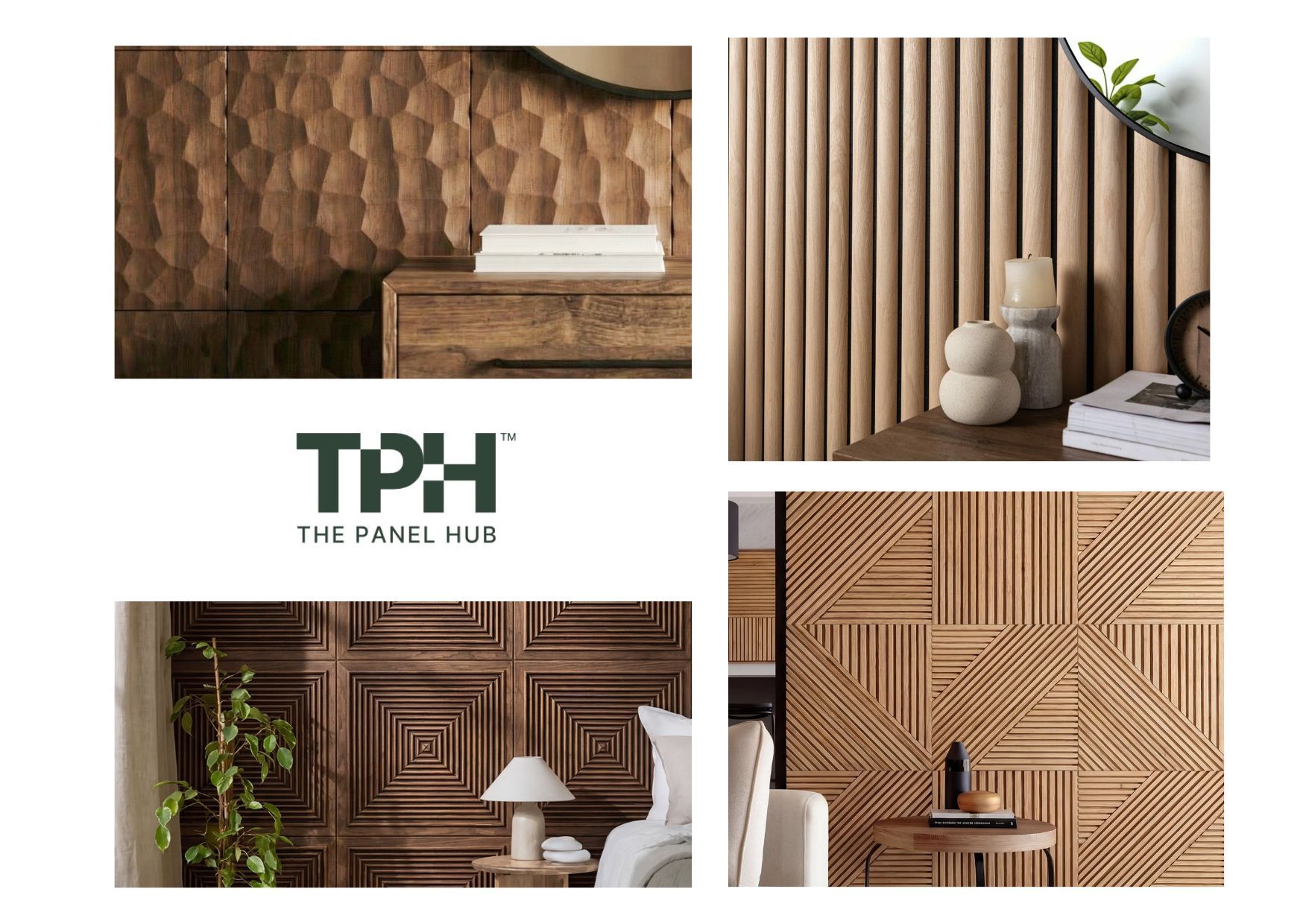
To get the best result, coordinate your panel finish with the room’s lighting and layout. Slatted textures can visually hide minor surface imperfections, but they also emphasize contrast, so choose colors that complement vanities, flooring, and hardware. For bathrooms with limited natural light, lighter panel tones and consistent spacing can help the room feel brighter while maintaining a clean, modern profile.
Conclusion
When moisture damage keeps coming back, the solution is rarely cosmetic—it’s about stopping water at the wall system level. That makes upgrades more predictable, especially in bathrooms where humidity and splashes are constant. If you want a balance of performance and style, thepanelhub.com offers factory direct options built for contemporary bathrooms and other moisture-exposed spaces. Choosing the right panel format, finish, and installation approach helps you create a wall surface that’s easier to maintain and built to last. With a strong waterproof barrier, you can focus on comfort and design instead of repeated repairs.