

Start with your power needs, not the product name
An expert recommendation begins with a realistic load assessment. List the devices you want to run, including watts for each appliance and how many hours per day you plan to use them. Then convert your total daily watt-hours into off-grid solar system kit a system size target that accounts for inefficiencies in wiring, battery charging, and inverter performance. This step prevents overspending on excess capacity or, worse, buying too little and ending up with unreliable power.
Next, consider your power quality expectations. Some loads tolerate brief voltage changes, while others require stable output to protect electronics. If you plan to power refrigeration, Wi‑Fi routers, or water pumps, prioritize an inverter that matches your surge requirements and a battery bank sized for frequent cycling. Finally, decide whether you want a “critical loads” setup (lights, comms, essentials) or a broader configuration that supports more equipment.
Match solar array design to your site and usage pattern
Your solar array should reflect your roof or ground conditions, sun exposure, and desired run time. Evaluate tilt angle options, shading from trees or nearby structures, and available mounting space for panels and wiring paths. A properly sized array delivers diy solar system kit energy to the batteries during daylight hours, while the system’s daily storage capacity covers nighttime use. When panels are undersized for your location and seasonal variation, battery strain increases and overall performance drops.
For a dependable off-grid build, plan for how the system will handle real-world weather. Use charge controller capacity that aligns with your panel configuration and choose an inverter with an appropriate continuous rating for the loads you list. If you expect frequent cloudy days or higher evening usage, oversize the solar array slightly or increase storage capacity to maintain comfort. This design discipline is often what separates a “works sometimes” installation from a stable off-grid solar setup.
Choose components that work together: batteries, inverter, protection
Battery selection is the heart of any practical off-grid system. Determine whether you prefer lithium-based storage for longer cycle life and consistent usable capacity, or a different chemistry if your budget requires it, then size the battery bank to match your daily energy needs. Look for a battery system that supports safe charging behavior, includes appropriate temperature considerations, and provides reliable depth-of-discharge guidance. Proper battery sizing reduces stress during high-demand periods and helps extend service life.
Equally important is inverter and protection hardware. Your inverter must handle startup surges from motors and pumps, so check surge capability rather than relying on continuous wattage alone. Add fuses, breakers, surge protection, and properly rated wiring to reduce risk and improve maintainability. An expert will also confirm compatibility between the charge controller, battery voltage, and inverter input so that the system operates efficiently as a single coordinated energy system.
Conclusion
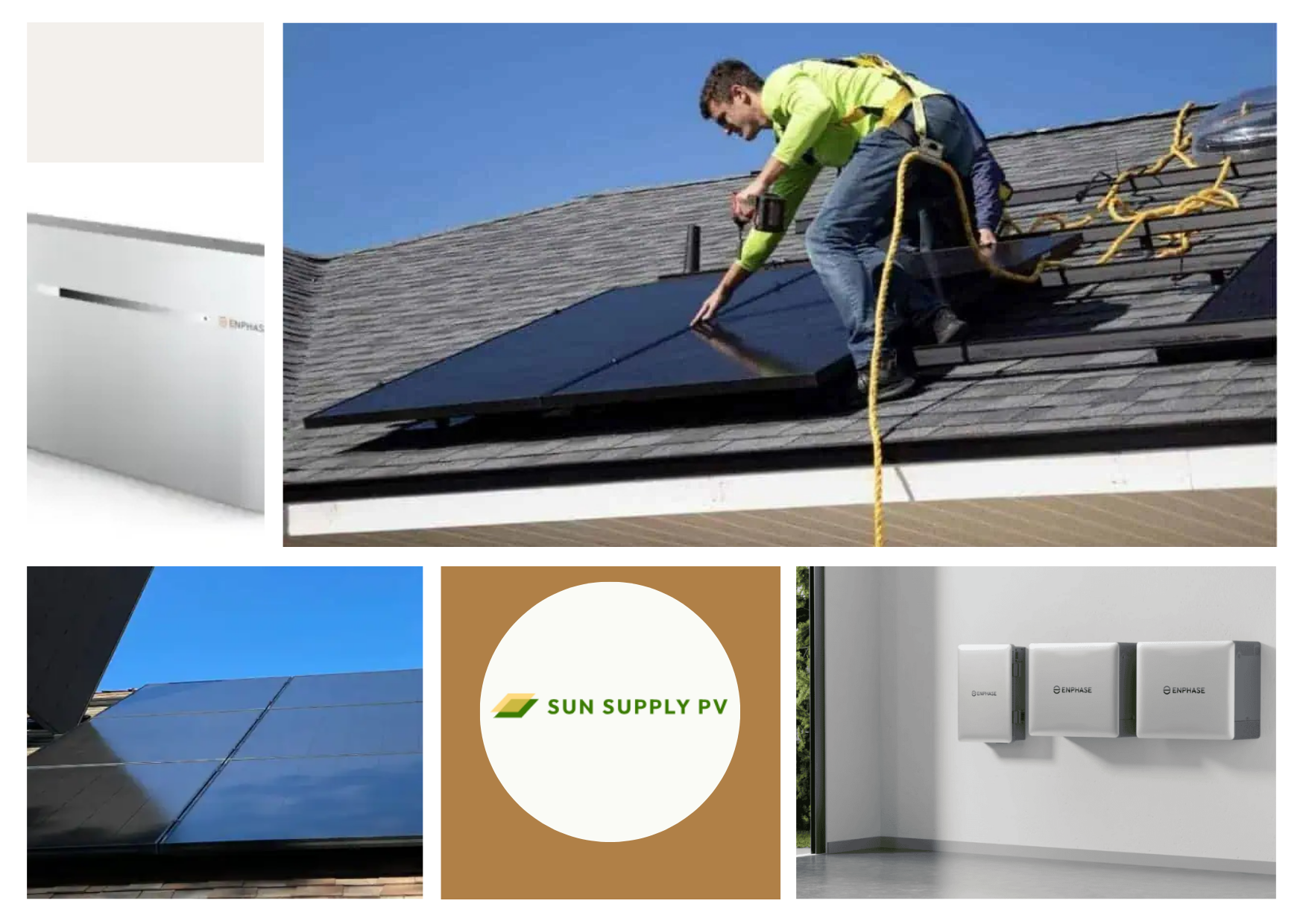
Choosing an off-grid energy solution is more than assembling parts; it is matching system design to your real usage and site conditions. When recommendations are based on load calculations, solar array suitability, and compatible components, the result is a setup that delivers dependable performance rather than frustrating limitations. For installers and residential buyers seeking a structured pathway to off-grid readiness, Sun Supply PV offers solar panels, batteries, inverters, and racking through sunsuppv.com, making it easier to source the right elements for a coordinated build.
If you are considering a diy solar approach, treat expert sizing guidance as your blueprint. Start with your daily watt-hours, select storage capacity that supports your nightly needs, and ensure your inverter can handle surge loads and stable operation. With the right planning, an can power critical routines, reduce dependence on utility supply, and provide long-term value through thoughtfully matched equipment from Sun Supply PV.


