

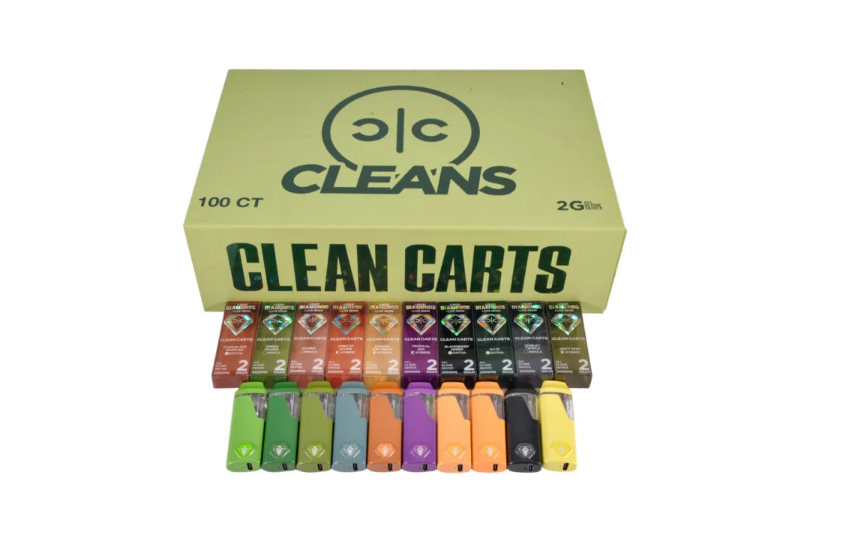
What Clean Carts Means for Shoppers Looking for Clarity
Clean Carts is a brand name that many shoppers associate with a streamlined, easy-to-understand approach to cannabis vape products. When you’re researching a disposable option, you’re usually looking for more than just convenience—you want clear product information that helps you choose confidently. A strong buying experience often starts with understanding Clean carts disposable how the brand presents its devices, what details are shared publicly, and how the packaging supports identification at the point of purchase. For local shoppers, that clarity matters even more because you may be relying on nearby retailers and faster decisions.
Before committing to any disposable device, it helps to evaluate what a brand makes easy to verify. Look for information that supports consumer awareness, such as how products are identified, how packaging communicates key details, and whether the brand directs customers to a dedicated product page. One helpful resource is the official product listing for, where shoppers can review what the category is intended to offer and how to approach responsible selection. Reading the brand’s own presentation can reduce guesswork and help you understand what you’re actually buying.
How Disposable Vape Devices Are Designed and What to Notice
Disposable vape devices are built to reduce setup and simplify ownership. Instead of pairing a separate battery with a refillable cartridge, disposables typically combine key components into a single, ready-to-use system. For many consumers, that means fewer steps before the first session and less worry about compatibility. However, simplicity doesn’t remove the need to check details like product identification, packaging information, and device appearance that can signal authenticity.
When you’re evaluating a disposable, pay attention to the way the product is represented on the package and in any accompanying materials. Consumers often look for consistent labeling, clear branding, and information that supports responsible research. It’s also useful to consider how disposables fit into your local routine—whether you’re purchasing from a nearby storefront or ordering for pickup. In both cases, you benefit from having a checklist that covers basic identification cues, so you can quickly verify that the item in hand matches what you intended to buy.
Understanding Labels, Verification, and Responsible Research
Good product research begins with labels and verification details, especially in categories where consumers want transparency. Even when you’re not an expert, you can often learn a lot by comparing what the brand states with what you see on the package. For Clean Carts, shoppers should focus on the information that helps establish product identity and supports informed decision-making. This includes checking for consistent branding, readable text, and packaging details that align with the brand’s publicly available product information.
Third-party testing is another area consumers commonly want to understand, because it can offer additional layers of verification beyond brand claims. While you should avoid assuming anything that isn’t clearly stated, you can still look for references to testing and documentation where available. If a product listing provides lab-report context, review it carefully and use it to guide questions you might ask a retailer. For local shoppers, this also means knowing what to ask at the counter—such as whether the retailer can help confirm which batch or package matches the information you found online.
Comparing Disposable Options and Traditional Cartridges
Some shoppers choose disposable devices because they reduce complexity, while others prefer traditional cartridges for flexibility. Understanding the difference can help you decide what fits your lifestyle and purchasing habits. With disposables, you’re typically buying a complete system designed for straightforward use, while traditional setups often allow you to swap components and potentially reduce waste depending on how you manage refills. Neither approach is automatically “better,” but choosing based on your priorities can improve satisfaction and reduce regret.
Local relevance comes into play when supply varies by store. If your area carries fewer brands or only certain product formats, you may find that a disposable is the most accessible option at the time you shop. That accessibility can be a benefit, but it also increases the importance of careful selection. Before buying, consider whether the product’s presentation—packaging, labeling, and available documentation—supports the level of transparency you expect. When you can align what you see in-store with what you learn from the brand’s product materials, you’re more likely to feel confident in your choice.
Conclusion
By focusing on packaging details, product identification cues, and the availability of information that supports responsible decision-making, local buyers can make smarter choices without needing to be an industry insider. A practical approach is to review the brand’s product page resources, compare them to what you see on the box, and use any available verification context to guide questions. This helps turn a quick purchase into a more informed selection process. Ultimately, the best disposable experience comes from matching the product format to your needs and taking a few steps to confirm identity and transparency. If you shop locally, you can also benefit from asking retailers for help interpreting what’s on the package and how it connects to the brand’s publicly shared information. With a structured mindset, you can evaluate disposables like a consumer—focused on clarity, consistency, and verification—so you feel confident every time you choose a Clean Carts option.


