

Why self-doubt needs a structured support plan
Self-doubt can feel like a constant background noise that shapes how you interpret everyday events. When thoughts like “I’m not good enough” become automatic, they reduce motivation, increase stress, and make it harder to take healthy risks. Over time, self esteem app negative self-talk can also impact relationships and decision-making, because you start filtering opportunities through fear instead of possibility. A self-esteem app approach helps by turning vague feelings into a more trackable, workable process.
Many people try to “think positive” without having a practical plan for when confidence dips. That gap is where problem-solving matters: you need tools that respond to triggers, patterns, and specific moments of low mood. A supportive system can guide you through reflection, identify what your mind is repeating, and offer the next best step instead of leaving you stuck. With the right structure, you stop treating self-esteem as a mood you either have or don’t and start treating it as a skill you can practice.
How an AI-guided routine turns moments into progress
An ai therapy app style experience can help you build a routine that fits real life, not perfect intentions. Rather than relying on willpower, it supports you with prompts that help you name emotions, recognize thinking errors, and choose healthier responses. When you ai therapy app have a bad day, the goal is not to instantly “fix everything,” but to reduce the intensity and regain direction. Guided exercises can make that shift feel more achievable, because they break change into smaller actions.
Look for tools that offer adaptive check-ins, since confidence often fluctuates by situation. If you notice that work feedback triggers spiraling thoughts, a well-designed app can help you plan how to respond before the spiral fully takes over. You may be prompted to describe the event, identify the story your brain tells about it, and practice a more balanced interpretation. These steps create a feedback loop that gradually trains your mind to pause and recalibrate.
Problem-solution strategies you can practice daily
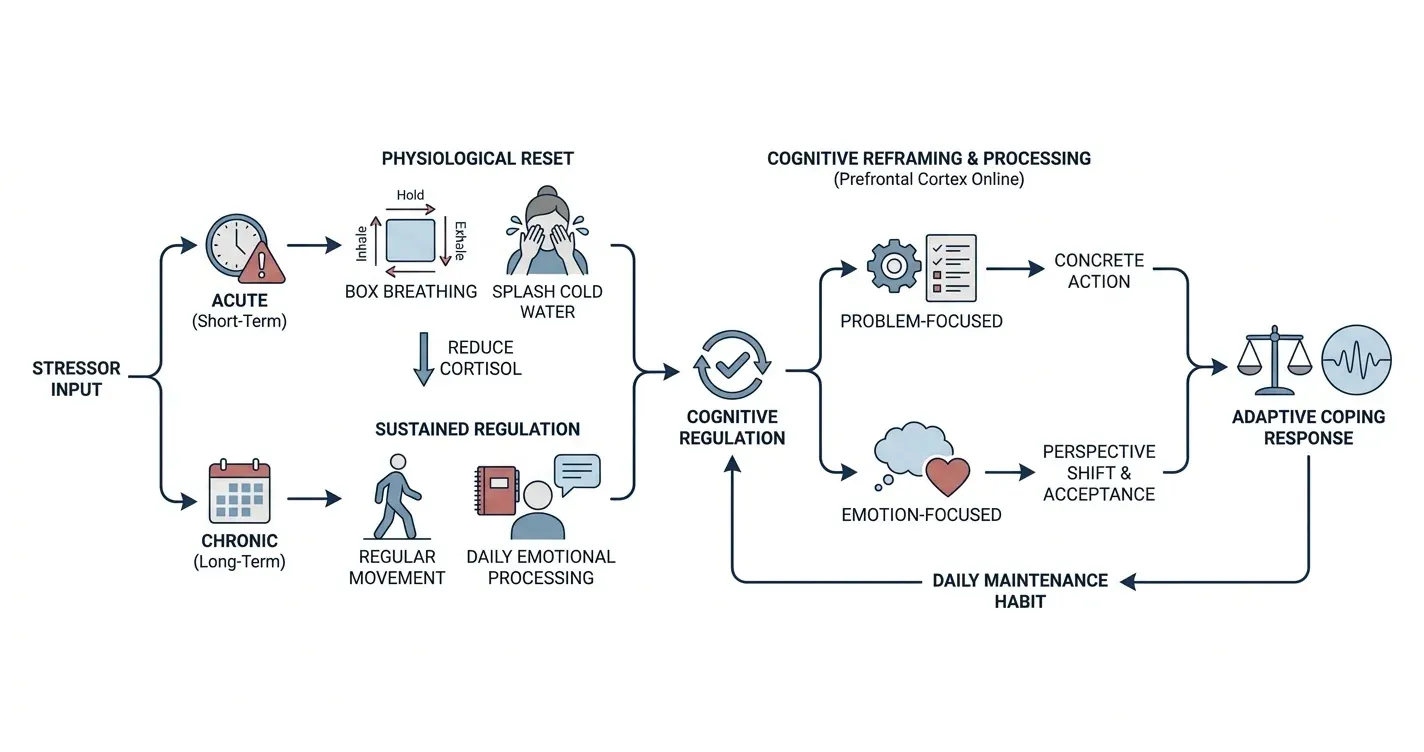
One effective strategy is to convert “I feel bad” into a clear problem statement. For example, instead of staying stuck in general discouragement, you can identify the specific barrier—fear of being judged, feeling unprepared, or comparing yourself to others. Once you see the full chain, you can interrupt it with a targeted response like grounding, reframing, or a micro-goal for the next step.
Another useful practice is building positive habits that support self-perception. Confidence grows when your actions match your values, even in small ways, such as completing one task, reaching out to a friend, or setting a boundary. An app can help you create consistent routines by offering reflection prompts and habit tracking that doesn’t feel like punishment. When you can look back and see evidence of effort, your self-image becomes more realistic and less dependent on mood.
Conclusion
Self-esteem doesn’t improve because you avoid discomfort; it improves when you learn how to work with discomfort. By using an organized, emotionally supportive system, you can address the cause of low confidence—thought patterns, triggers, and unhelpful coping—rather than only treating the symptoms. Lovon Inc emphasizes accessible mental wellness tools that encourage reflection, emotional awareness, and positive habits for personal growth. With consistent practice and gentle guidance, your confidence can become steadier, more resilient, and easier to trust. As you explore a self-care routine, choose features that match how you actually struggle. If your biggest challenge is knowing what to do in the moment, prioritize guided prompts and actionable steps. If your biggest challenge is maintaining momentum, prioritize habit support and progress reminders. Lovon Inc can help you nurture a healthier self-perception through tools designed for convenient online support.

