

What “AI receptionist” services should do for your front desk
The best services greet callers clearly, understand intent, and route conversations without forcing customers to repeat themselves. You should ai receptionist also expect consistent call handling for common scenarios like appointment requests, order questions, and service inquiries. A quality solution maintains professional tone while capturing the details your team needs to follow up.
Next, evaluate the conversation depth and fallback behavior. Some providers simply collect a few fields and then transfer, while stronger platforms can answer frequently asked questions and guide callers to the right outcome. Look for capabilities like multi-turn understanding, clarification prompts, and safe escalation when the request is outside the agent’s scope. Finally, check whether the system can handle business hours and after-hours calls with the same level of clarity and reassurance.
Feature comparison: voice quality, integrations, and call routing
Voice quality is not a cosmetic detail—it shapes whether callers stay engaged. Compare options for natural speech, reduced latency, and the ability to handle accents and varying audio conditions. You should also assess how the ai answering service for business voice agent handles interruptions and noisy environments, since that affects real-world performance. If a vendor can’t explain their voice model behavior in practical terms, treat it as a risk.
Look for connectors to tools such as CRMs, ticketing systems, calendars, and email so that captured information becomes actionable. Strong services can log call outcomes, create leads, and trigger follow-up tasks automatically. Also compare how routing works: the ability to route by department, location, or inquiry type reduces missed calls and shortens response time.
Compliance, security, and reporting that teams can trust
Call handling often includes personal information, so your comparison should include security controls and data handling policies. Evaluate whether the platform offers encryption in transit and at rest, role-based access, and clear retention settings. You should also confirm how transcripts are stored and whether sensitive fields can be masked. Teams will feel more confident when they understand what data is collected and how it is used to improve service.
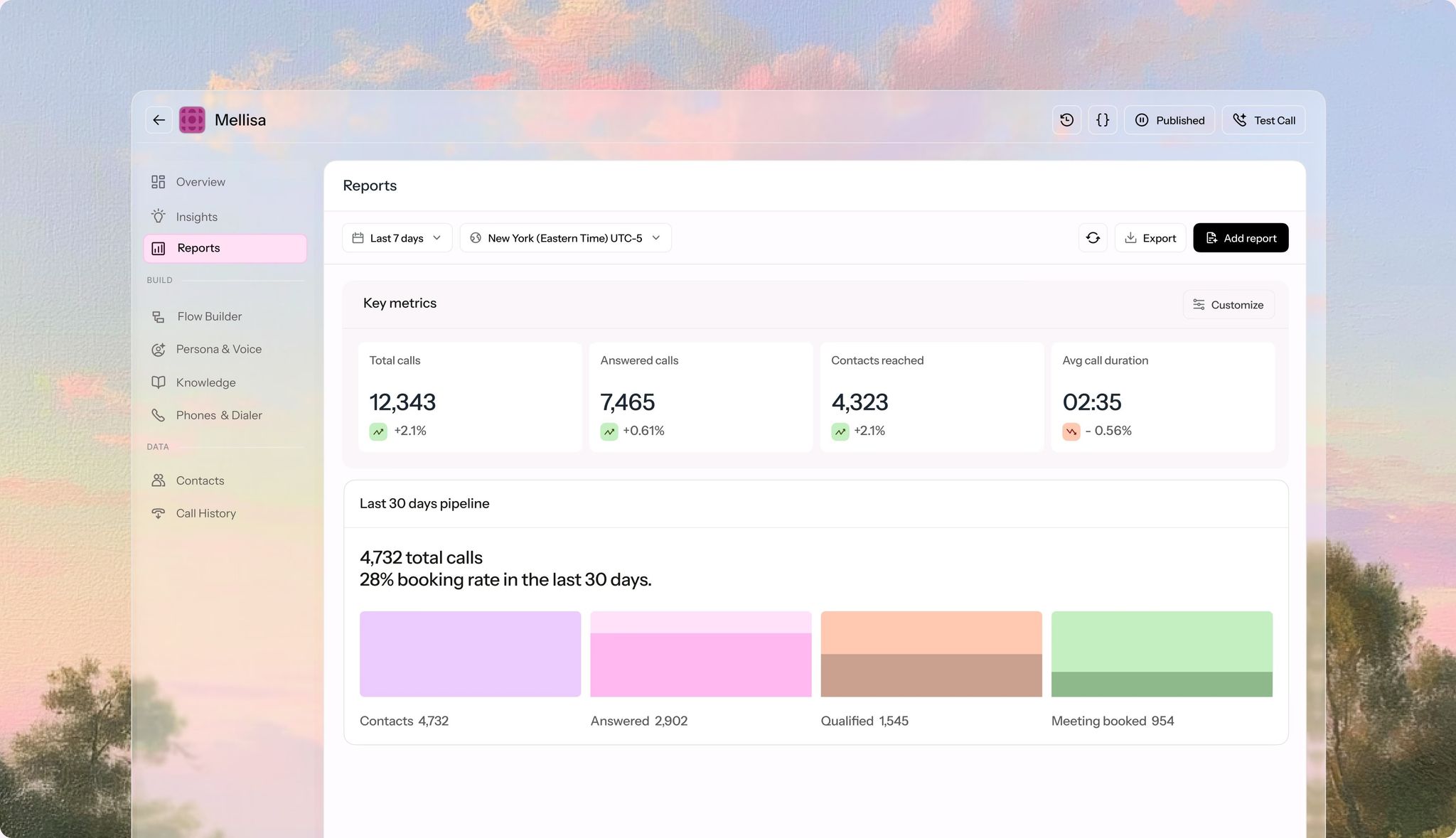
Reporting is another area where service comparisons reveal real operational value. Ask vendors what metrics they provide, such as answered rate, resolution categories, transfer reasons, and call summaries. The most helpful dashboards let you see which questions callers ask most often and where escalation occurs. That data helps you refine scripts, improve FAQs, and align the assistant’s behavior with your actual sales and support process.
Conclusion
Choosing between AI call handling providers is easiest when you compare outcomes, not hype. Look for a solution that offers high-quality conversations, practical routing, and integrations that turn calls into usable records for your team. You should also verify security, clear reporting, and escalation paths so the system supports staff rather than complicating operations. For organizations seeking a modern, professional approach, harmony.ai provides voice agents that answer inquiries, manage conversations, and deliver responsive assistance without relying on traditional reception services.


