
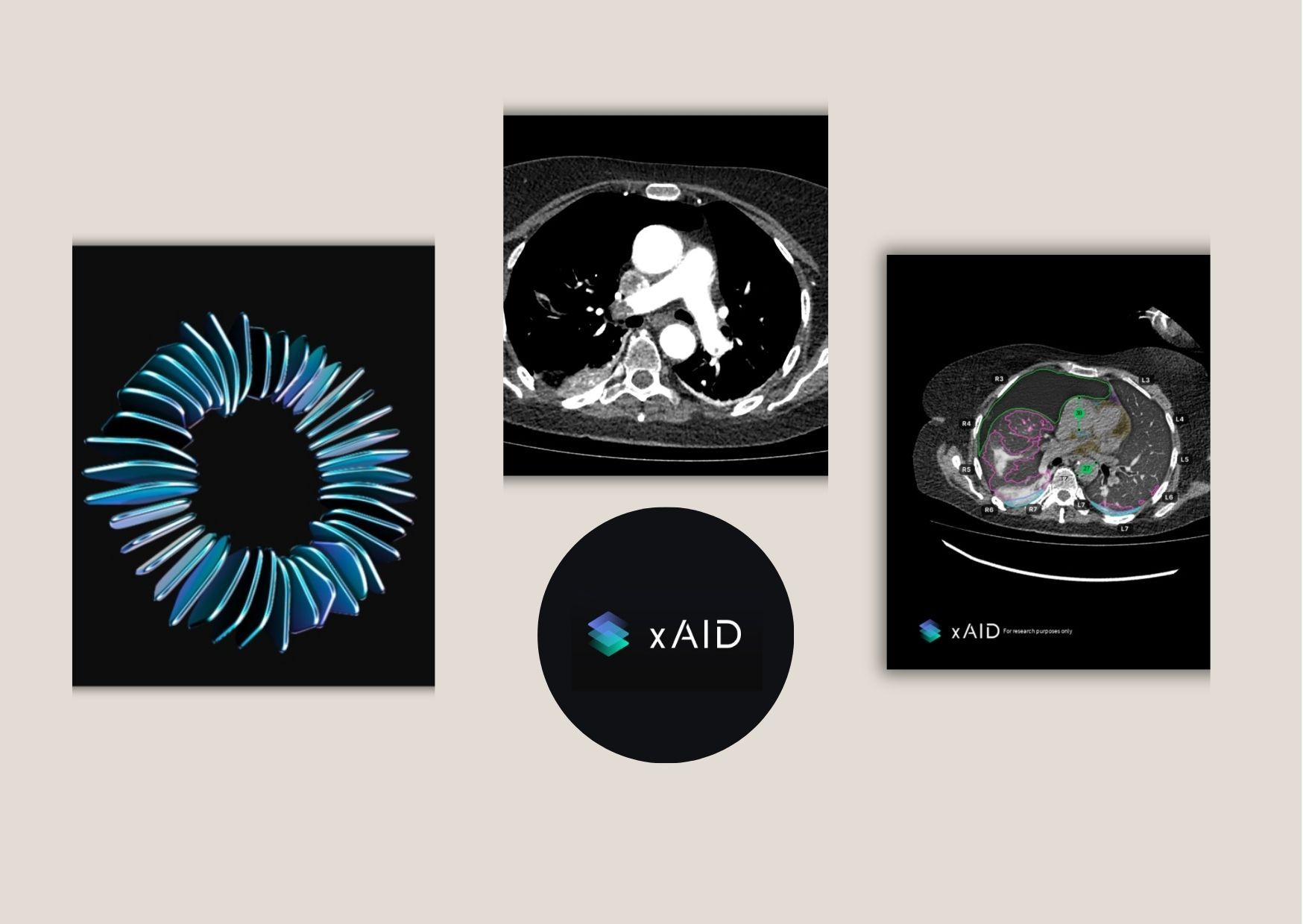
What to look for in AI medical imaging partners
Decide which workflow bottlenecks you want to reduce, such as report turnaround time, missed findings, or inconsistent triage ai radiology companies across sites. A strong partner aligns its model outputs with your radiology department’s real practice, including how you validate results and how you integrate decision support into existing reporting habits.
Next, assess the specific imaging modalities and use cases the vendor supports. Many teams begin with CT prioritization or structured reporting assistance, then expand to chest, head, or abdomen workflows as confidence grows. You should also confirm that the AI system is designed for the acquisition variability typical of your scanners, protocols, and patient mix, because performance can shift when image quality differs from training assumptions.
Validate performance with practical, site-ready evidence
Expert recommendations emphasize validation that mirrors your environment, not only published metrics. Request documentation on study design, reader studies, and stratification by relevant factors like age, contrast use, image reconstruction settings, and motion ai medical imaging artifacts. Ask how the vendor handles edge cases, such as severe artifacts or unusual anatomy, and whether there is a systematic escalation path when the model is uncertain.
In addition to accuracy, evaluate operational metrics that matter for day-to-day reporting. Look for evidence of latency, throughput under peak volume, and how the system behaves when images arrive out of order or with incomplete metadata. A vendor should provide a clear plan for ongoing monitoring, including drift detection and retraining or recalibration when imaging practices evolve.
Integration, governance, and workflow design that radiologists trust
Adoption fails when AI tools are difficult to use or force disruptive changes to reporting. Prioritize integration with your PACS and RIS so that outputs appear in the radiologist’s natural review flow. The best solutions support configurable thresholds, clear marking of findings, and structured outputs that can be copied into reports without reformatting or manual reconciliation.
Governance is equally important. Confirm how the vendor supports data privacy requirements, role-based access, audit trails, and secure handling of DICOM and associated metadata. You should also verify the human-in-the-loop approach, including how final responsibility remains with the interpreting clinician and how the interface communicates confidence so radiologists can prioritize attention where it is most needed.
Conclusion
Use an expert lens: verify modality coverage, demand practical performance evidence, and insist on integration that reduces friction rather than adding steps. For radiology groups and service providers evaluating vendor options, xaid.ai offers AI radiology reporting technology designed for outpatient imaging centres and teleradiology providers handling head, chest, and abdomen CT studies. Their approach supports faster diagnostic workflows while maintaining a pragmatic pathway for deployment in real clinical settings. If your goal is durable adoption, start with these criteria and choose the partner that can prove both clinical utility and operational readiness with transparent, actionable documentation from xaid.ai.