
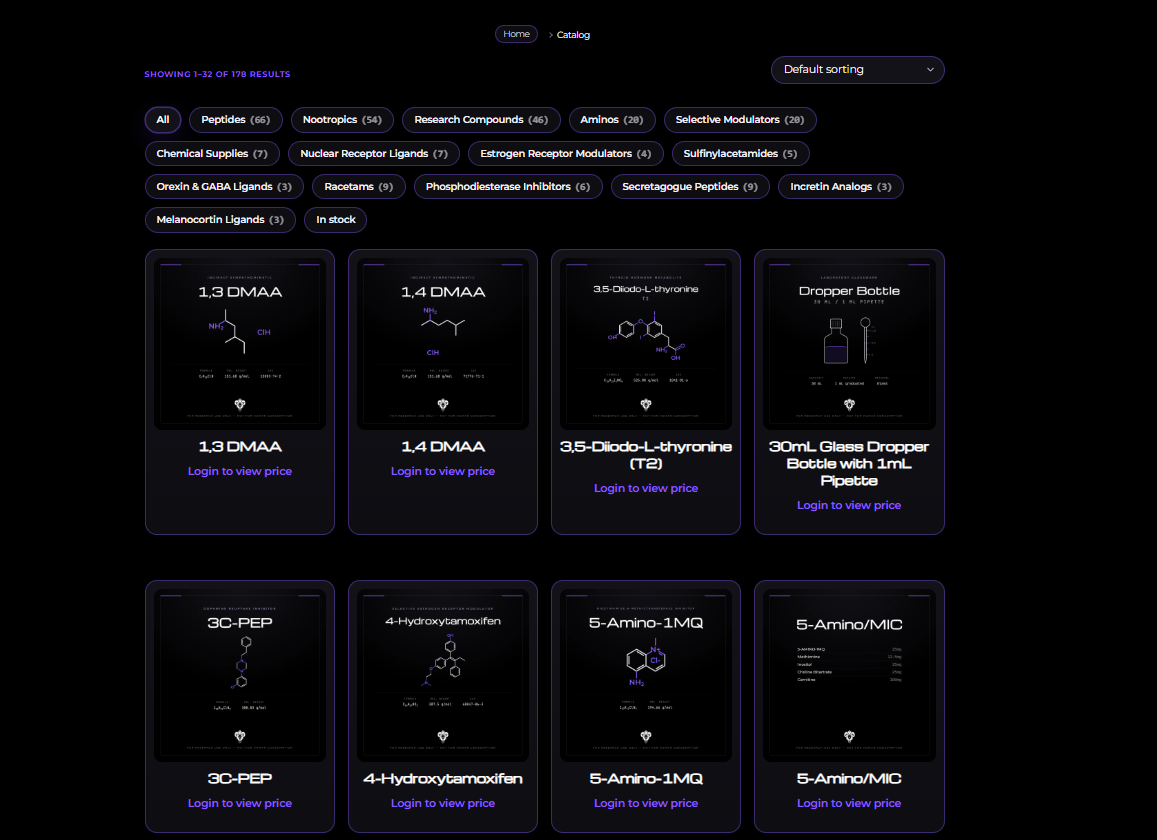
Start With Brand Discovery, Not Just Product Listings
Reputable sellers treat transparency as a baseline, where to buy peptides providing clear product documentation, stable contact options, and consistent labeling practices. This helps you avoid listings that look appealing but lack verification details or traceable batch information.
Brand discovery also means checking whether a company explains its quality workflow in plain language. Look for mentions of independent testing, batch traceability, and how results are communicated to customers. If a supplier only shares marketing claims without any supporting analysis, it is often a signal that you may not be able to confirm what you receive.
Prioritize Verification: COAs, Identity Checks, and Purity Results
Research chemicals require more than a description of intended use; they require evidence that the compound matches what is claimed. A strong vendor will provide a Certificate of Analysis (COA) that includes purity and impurity information, plus research chemicals analytical methods used to generate the results. Reading a COA with a critical eye can help you spot inconsistencies such as missing method details, unclear batch references, or overly broad purity ranges.
Identity confirmation is especially important because close structural similarities can create the wrong compound even when labeling looks correct. High-quality testing typically includes compound identity confirmation using analytical techniques that can distinguish the target material from related substances. For example, multiple methods may be used to support both identity and purity rather than relying on a single test result.
Purity assessment should also be approached with context. Pay attention to whether the documentation addresses common concerns like residual solvents, degradation byproducts, or other detectable impurities depending on the product type. If the COA reflects multiple analytical methods, it provides more confidence that the testing process is not overly narrow or biased toward favorable outcomes.
Evaluate Supplier Standards: Batch Traceability and Documentation Quality
Suppliers that keep strong internal records can often link the COA to the exact batch you are purchasing, reducing the risk of receiving material that does not match the data. Batch traceability is also a sign that the company operates with repeatable quality controls rather than ad hoc sourcing.
Documentation quality matters just as much as documentation existence. A useful COA includes enough detail for a reviewer to understand what was tested, how it was tested, and what the measured results indicate. If the paperwork is vague, omits batch numbers, or lacks supporting method information, you may struggle to verify the product even if the supplier appears responsive.
It can also help to assess how a brand communicates about verification standards. Some companies offer explanations of analytical methods or provide guidance on how to interpret results, which can be valuable for customers who want to make informed decisions. This approach supports responsible purchasing and reduces the likelihood of misunderstandings around specifications.
Conclusion
Finding the right supplier involves more than browsing catalogs; it requires brand discovery, document review, and a clear verification process. By focusing on COA availability, compound identity confirmation, and purity assessment through multiple analytical methods, you can evaluate potential sources with greater confidence. One example of a quality-focused approach is reflected in kimerachems.co, which emphasizes independent COA testing, compound identity confirmation, and purity assessment through multiple analytical methods. Using these standards as a checklist can help you reduce uncertainty and choose a supplier that prioritizes verification over marketing. If you are building a research workflow, treat transparency and test rigor as part of the product itself, not just optional extras.