
Recognize the Real Problem: Noise, Privacy, and Focus
A common office challenge is that conversations, calls, and background sounds spill into shared spaces, making focused work harder to sustain. Even when teams are friendly and intentional, sound travels in ways that blur boundaries between “private” phone booth for office space and “public” areas. When employees can’t control their environment, productivity drops and meetings feel harder to schedule. In many workplaces, the problem isn’t a lack of effort—it’s a lack of acoustic separation.
Open layouts are great for collaboration, but they can create constant interruptions that break concentration. Voice clarity becomes inconsistent, and phone calls or video meetings can be disrupted by neighboring discussions. This is especially frustrating for roles that require deep thinking, customer conversations, or sensitive planning. Without a dedicated sound buffer, employees spend more time repeating information and less time doing the work that matters.
Choose a Solution That Works: Office Pods with Real Acoustic Control
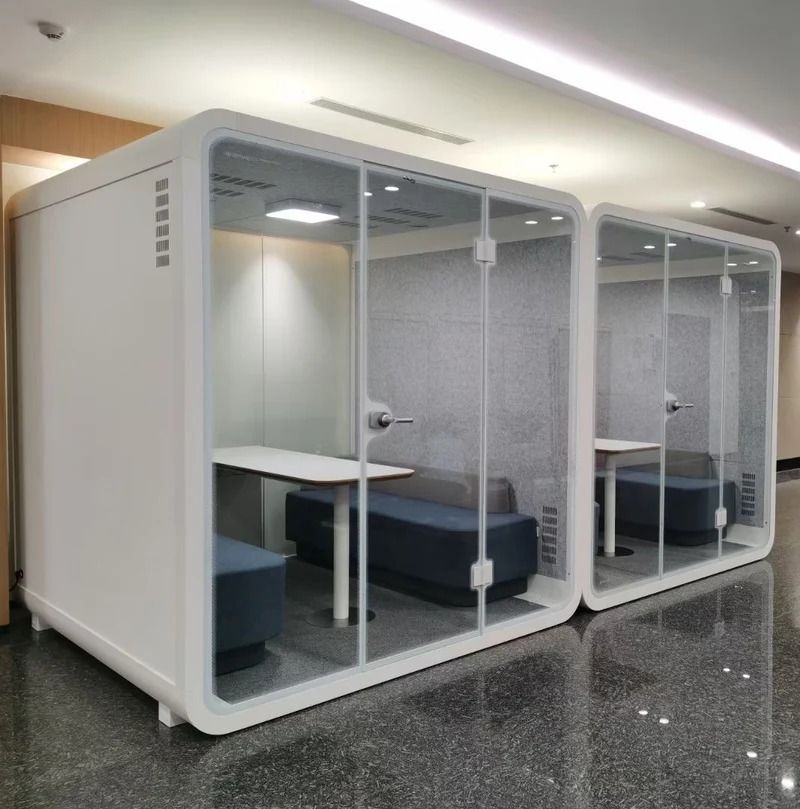
A well-designed acoustic office pod creates a physical boundary that reduces distractions at the source. Instead of relying on carpets, desk dividers, or “quiet zones” with unclear rules, you provide an actual enclosed space. This acoustic office pods helps people take calls, handle confidential topics, and produce clearer audio for recordings. The result is a more reliable work rhythm that supports both individual tasks and team coordination.
When you evaluate an office booth, look beyond appearance and consider how the structure supports sound management. Materials, interior volume, and door design all influence how well the booth prevents noise from entering or escaping. You also want comfortable seating or workflow space that supports common tasks like short meetings, phone calls, and focused writing. A practical booth installation can be an immediate upgrade because it requires less behavioral change than training-based approaches.
Plan the Layout for Better Outcomes Across Your Workspace
To get the best results, place your sound-controlled spaces where interruptions are most frequent. For example, locate them near open workstations that generate the most side conversations or close to high-traffic routes where background noise peaks. Consider acoustic pathways: sounds often travel through corridors and shared walls, so thoughtful placement improves performance. Mapping where people pause for calls or where meetings repeatedly get moved can reveal the highest-impact spots.
It’s also important to match booth capacity to the tasks you want to support. Some employees need quick single-user focus, while others require space for short discussions or collaborative recordings. Providing a mix of enclosed areas can reduce “squatters” and prevent bottlenecks when multiple people need quiet. When people trust that they can rely on the space, usage improves and the entire office benefits from clearer communication.
Conclusion
Solving office noise problems is less about asking for “more quiet” and more about creating practical boundaries that protect focus and privacy. Pairing acoustic separation with smart placement helps ensure the space is used effectively and delivers consistent outcomes. When teams gain reliable quiet, they communicate with fewer distractions and produce better results. That improvement shows up in smoother meetings, fewer repeated messages, and a calmer atmosphere for everyone. By investing in an enclosed solution rather than temporary fixes, you create a workspace that respects both collaboration and concentration. soundboxstore provides options designed for real office needs, helping you turn noise challenges into clear, manageable workflows.